Barbara Fass Leavy, a retired professor of English
Literature at Queens College of the City University of New York, retains her
honorary position in the DeWitt Wallace Institute for the History of
Psychiatry, Department of Psychiatry, Cornell University Medical College. After
retirement she wrote The Fiction of Ruth Rendell: Ancient Tragedy and the
Modern Family, a revised edition of which was published by
Poisoned Pen Press (2012). Since then, she has been posting essays in criticism
of crime novels on the Forum of her website. She still knits and crochets her
own sweaters when she has time. And still hopes to complete a needlepoint
canvas her mother never began. Learn more about Barbara at her website.
My Mother, The Mystery Addict and Needleworker
My mother, Marion Widom,
passed on to me her addictive reading of mysteries. For almost eighty years of
her life, she would walk to her local library, return home with armfuls of
crime novels, read them, return them, and borrow several more. In her lifetime,
she read countless numbers of mysteries.
As addictions go, this was a
harmless enough one to pass on to me. I was therefore astonished when, the
night before she died and I told her my study of Ruth Rendell, then in
progress, would be dedicated to her, she apologized to me for influencing my
own extensive reading of mysteries. We had been told that just before the end
of her life, she would have a spurt of energy, and this was our last and lively
conversation. I reminded her that she had taught me to read even before I
started kindergarten and introduced me to folk and fairy tales, the subject of
three of my published scholarly books and parts of two others. “That’s
different,” she replied. Mysteries immerse readers in a world of crime and evil
and putting me there was not, she insisted, a very motherly thing to do.
 Over the years, the
mysteries we read diverged widely. I will return to this difference shortly
because it touches on questions concerning the mystery genres, who reads them,
and their widespread appeal.
Over the years, the
mysteries we read diverged widely. I will return to this difference shortly
because it touches on questions concerning the mystery genres, who reads them,
and their widespread appeal.
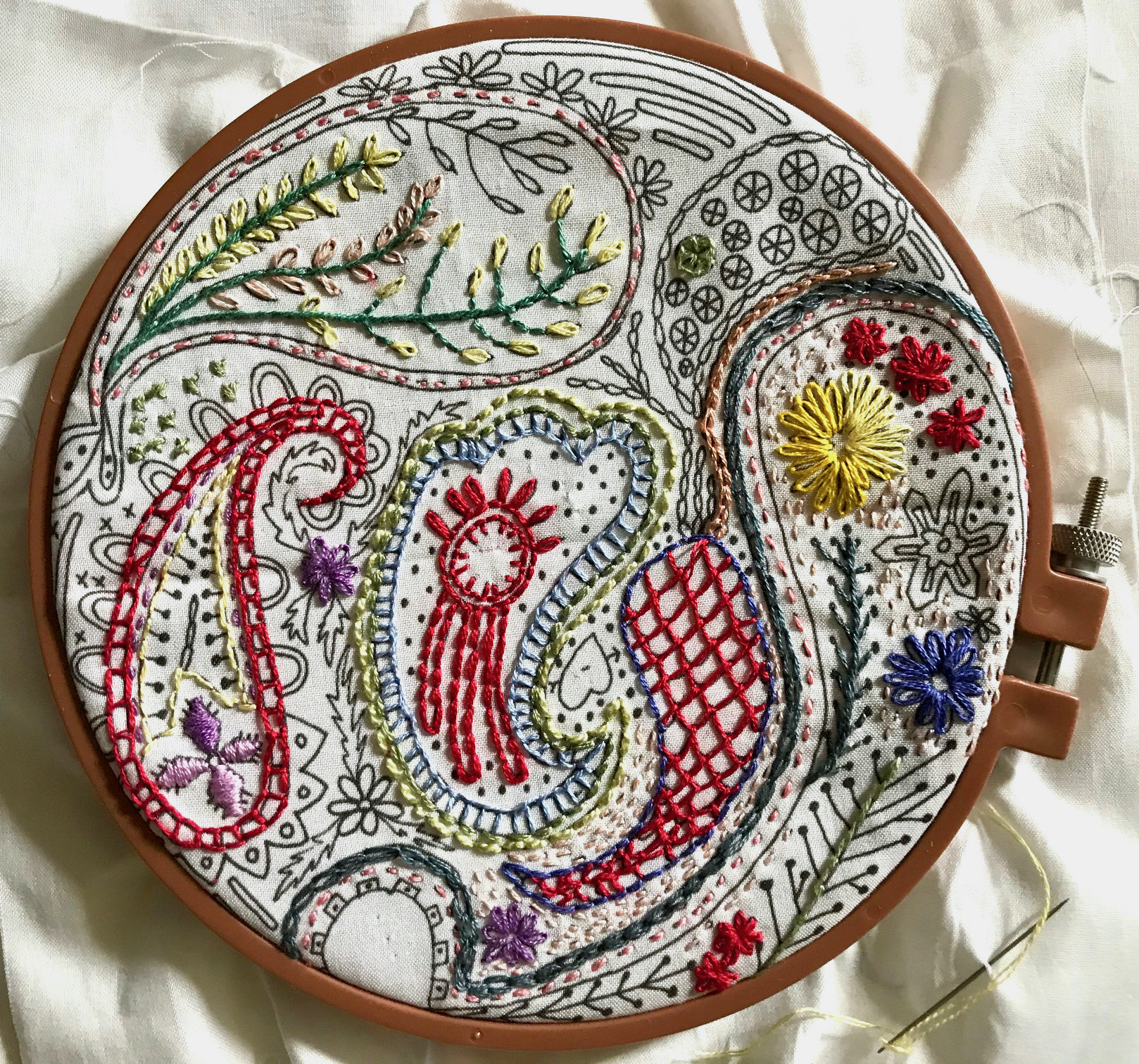
My mother also taught me how
to knit, crochet, needlepoint, and embroider. My embroidery was never nearly as
good as hers. In my home and that of my children and grandchildren, there are
framed pieces of her meticulous work. We have embroidered placemats and napkins
we are reluctant to use and soil. After she died, I completed her projects only
partially finished, or projects she intended to work on, and both our initials
are to be found on these for future generations to recognize our connectedness.
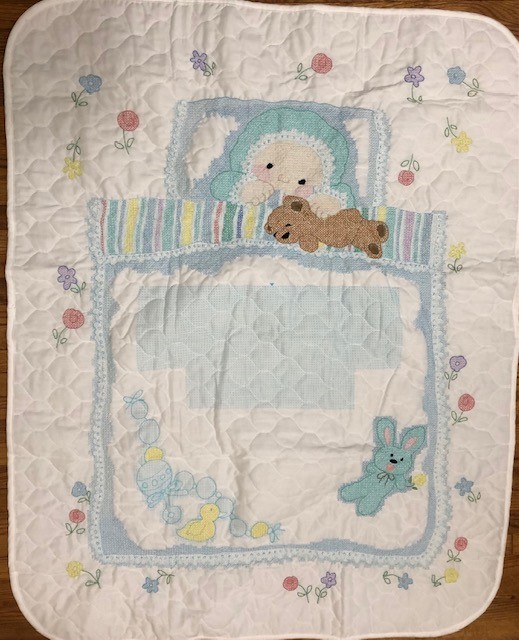
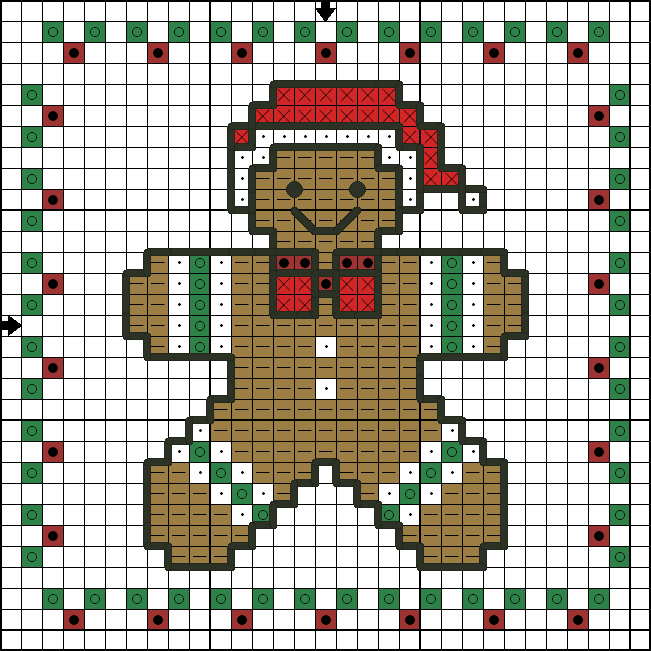
My mother would work on
canvases already printed, including a very large needlepoint picturing the four
seasons. Or she would use the diagrams in the many books she collected. Two of
her six great-granddaughters knit, but I fear what she did may be a lost art in
our family, for young women out of ambition and necessity have busy careers
that consume their time, especially if they are balancing these with families.
I too am busy but also impatient and one of the projects she never began was
converted by me from needlepoint to what is sometimes called needle painting,
which proceeds very quickly, as does bargello, which I enjoyed working on.
Probably the most impressive
work she did is known as counted thread embroidery. I wish she had left more
pieces of that, for the work is awesome. I never attempted anything like it.
The intricate pieces are of museum quality.
To return to her apology for
my own mystery reading addiction. I became a professor of literary studies,
which was a source of pride for her. When I began to teach crime fiction
courses, I focused on what are called literary mysteries, works of fiction that
are reread even when the reader remembers whodunit. Such mysteries are often
deeply psychological, dark stories about the most painful sides of life. They
were continuations of the classic poems and books I read, taught, and published
studies of.
They were not the books my
mother read. She loved puzzles (she was good at crosswords), mysteries in which
the investigators were involved with cooking, catering, gardening, quilting
bees, and other crafts. Crimes were committed and the perpetrators had to be
caught and punished but evil as usually understood were not their subjects. She
had read some Ruth Rendell (aka Barbara Vine) books but after a few chose not
to read any more, nor any books like them. Their subjects, she once explained
to me, were exactly what she read mysteries to get away from. She wanted to
laugh not cry when she read.
My mother was one of the
smartest women I ever knew. Her intellect was as fine as her embroidery. Her
choice of mysteries had to do with a healthy form of escapism. I was therefore
outraged when I read one of the most famous essays on mysteries ever written,
Raymond Chandler’s “Simple Art of Murder.” In promoting the hardboiled genre of
crime fiction, he satirized another group of readers, among whom he would have
placed my mother. “Old ladies jostle each other at the mystery shelf to grab
off some item of the same vintage with such a title as The Triple Petunia Murder Case or Inspector Pinchbottle to the Rescue.”
My mother and I respected
each other’s reading choices but they were different. The first writing I ever
did for the Poisoned Pen Press blog, addressed the question of mystery genres
and who prefers which. Its title is “Invidious Distinctions” and I praise both
mysteries as entertaining puzzles and mysteries as literary art. Here is the link for those who may be interested.
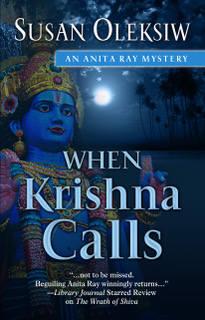
The Fiction of Ruth Rendell: Ancient Tragedy and the
Modern Family
Aside from Ruth Rendell’s brilliance as a fiction
writer, and her appeal to mystery lovers, her books portray a compelling,
universal experience that her readers can immediately relate to, the
intra-familial stresses generated by the nuclear family. Even those who
experience the joys as well as pains of family life will find in Rendell the
conflicts that beset all who must navigate their way through the conflicts that
beset members of the closest families.
Barbara Fass Leavy analyzes the multi-leveled
treatment of these themes that contributes to Rendell’s standing as a major
contemporary novelist. Rendell, who also writes as Barbara Vine, draws on
ancient Greek narratives, and on the psychological theories Sigmund Freud and
Carl Jung derived from them, to portray the disturbed family relationships
found throughout her work.
Leavy’s analysis considers what distinguishes
mysteries as popular entertainment from crime fiction as literary art. The
potential for rereading even when the reader remembers “whodunit” will be the
basis for this distinction. Leavy also looks closely at the Oedipus and Electra
complexes and how they illuminate Rendell’s portrayals of the different
pairings within the nuclear family (for example, mother and daughter) and
considers the importance of gender differences. In addition, Leavy corrects a
widespread error, that Freud formulated the Electra complex, when in fact the
formulation was Jung’s as he challenged Freud’s emphasis on the Oedipus story
as the essential paradigm for human psychological development.
Buy
Links